
Field report
Someone settled in against a downtown building on a rainy night. Here's how the alert was handled — calmly.
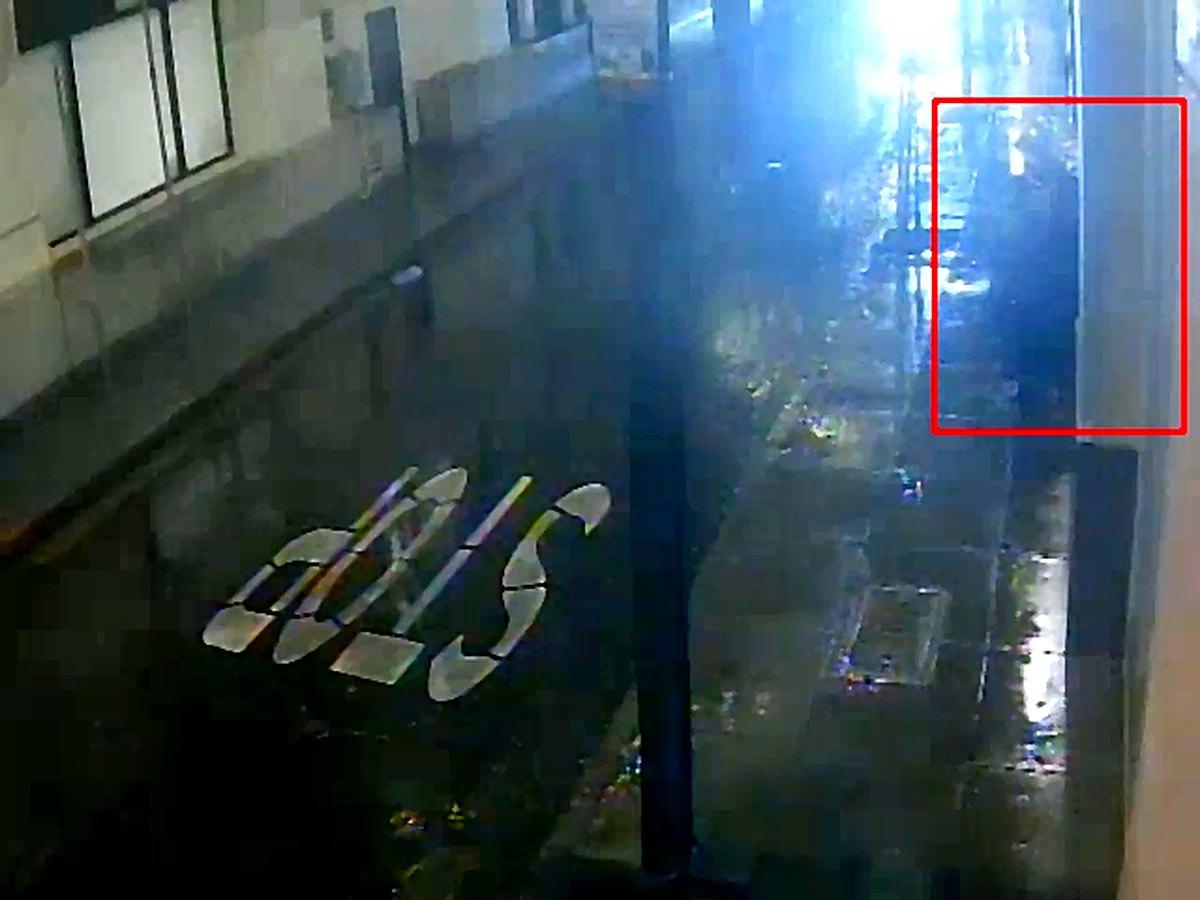
A real alert from a San Francisco building in January 2026: at about 9 p.m. in heavy rain, a camera picked up a person settling in along the building's side street. A patrol officer went to the property, the person moved on, and the doors were checked.
San Francisco, CAVuePoint
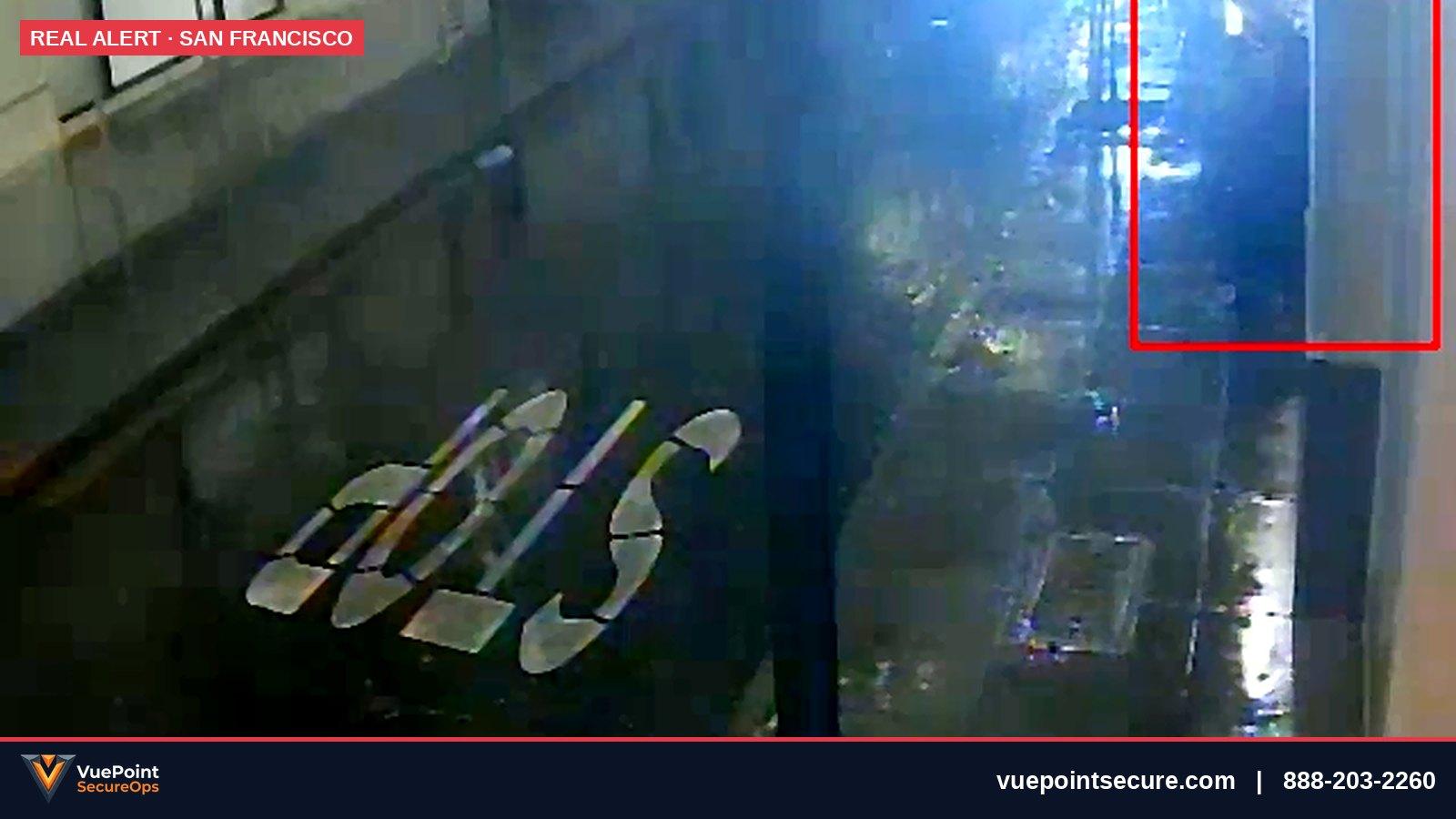
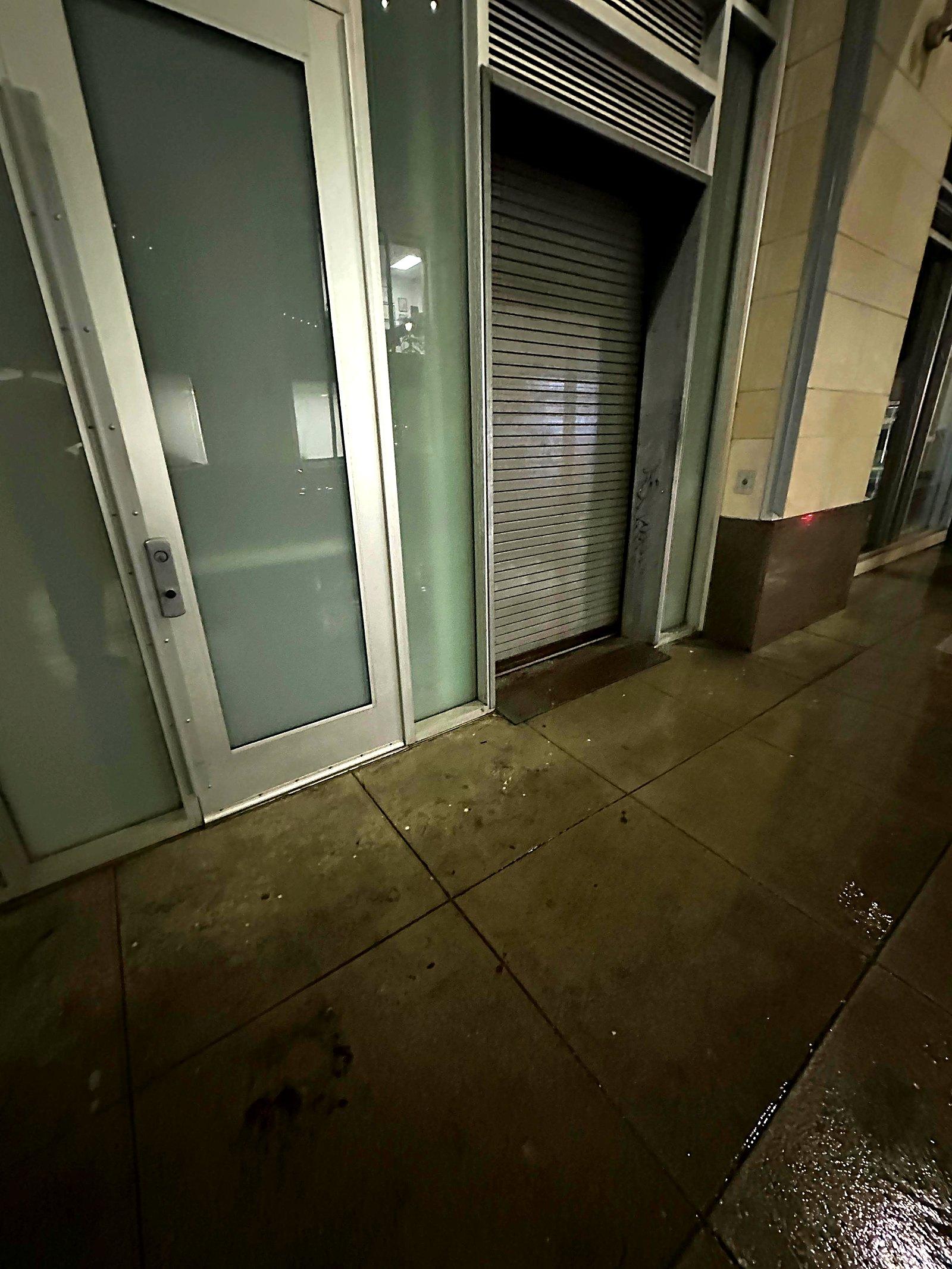
At about 9 p.m. on a rainy January night in San Francisco, a camera on the side street of a downtown building picked up a person setting up against the building wall. A patrol officer went to the property and asked the person to move along, and the person packed up and left. The entrances were then checked — locked and secure. For property managers this is one of the most common after-hours alerts there is. It is rarely a crime, it is often a person with nowhere dry to go, and how it is handled matters — for the building and for the person.
What happened
| When | What the camera saw | What happened |
|---|---|---|
| About 9 p.m. | A person settling in against the building on the side street, heavy rain | Alert raised |
| Shortly after | — | A patrol officer was sent to the property |
| On arrival | — | The officer asked the person to move along |
| After | Entrance doors and roll-up door closed | Entrances checked: locked and secure |
Why it was caught
- A camera covers the side of the building, not just the front door. Side streets and alleys are where people shelter because they are out of sight — which is exactly why they need a camera.
- The alert came early in the evening. Found at 9 p.m., this is a short conversation. Found by the morning porter, it can be a night's worth of belongings, waste and a blocked exit.
- Someone was on call to go there. An alert only helps if a person — a patrol service, the building engineer, or the property manager — can actually show up and check.
What would have missed it
Cameras only at the front entrance; a recorder nobody looks at until there is a complaint; or motion alerts on a street-facing camera that fire on every car, umbrella and raindrop until somebody turns them off. All three are common, and all three mean the building learns about the night from the morning staff.
How to plan for people sheltering against your building after hours
- 1
Cover the hidden sides
Put cameras on side streets, alleys, recessed doorways and loading areas — the places out of sight from the main entrance.
- 2
Use person detection in a tight zone
Limit the detection zone to your doorways and the strip of sidewalk against your walls, so the public sidewalk and passing traffic don't trigger alerts.
- 3
Write a response policy first
Decide in advance who goes, what they say, and when they call for help. Nobody from the building should confront anyone alone at night.
- 4
Lead with respect
Most people sheltering in a doorway will move on when asked politely. A calm request is safer for your staff and works better than a confrontation.
- 5
Know the right number
Keep your city's non-emergency and outreach contacts on the call list (in San Francisco, 311), and use 911 only for emergencies.
- 6
Check the building after
Every visit ends with a check of doors and gates and a note of what was found — that note is what closes the alert.
Common questions
- How do I stop people from camping in my building's doorway?
- Combine cameras that alert early in the evening on recessed doorways and side streets with a written, respectful response policy, so someone can ask the person to move on before they settle in for the night.
- Should building staff confront someone sleeping by the building?
- Not alone and not at night. Have a policy that names who responds — a patrol service, security, or the property manager — and when to call the city's non-emergency line or 911.
- Will security cameras alert on every passer-by on the sidewalk?
- Not if they are set up properly. Person detection limited to a tight zone against your walls and doorways ignores the public sidewalk and street traffic.
Want to know about this the night it happens?
Tell us about your building — entrances, side streets, garage — and we'll send a camera and alert plan.